



























Elevate AI Projects with Highly Accurate Text Annotation

LTS GDS provides text and document annotation services with high-quality labeled datasets for computer vision projects and NLP-based AI/ML models and LLMs.

Trusted by Industry Leaders Worldwide

Types of Text & Document Labeling Services That We Offer

Leveraging our vetted multilingual annotation team to unlock deeper insights from unstructured text data

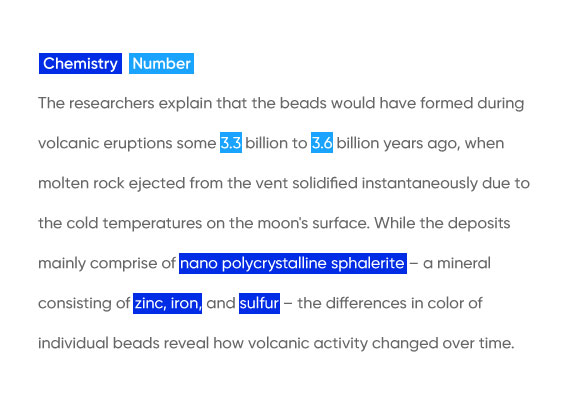
Text Classification & Categorization
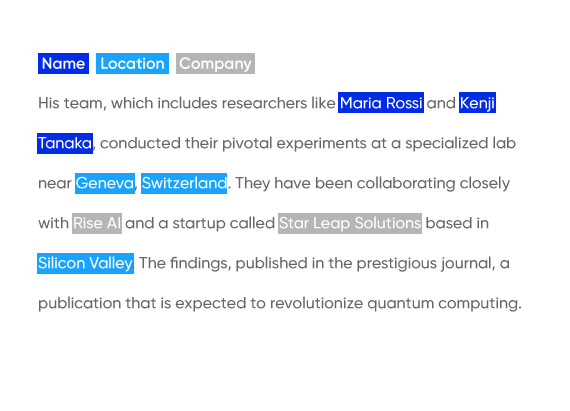
Named Entity Recognition (NER)
Optical Character Recognition (OCR)
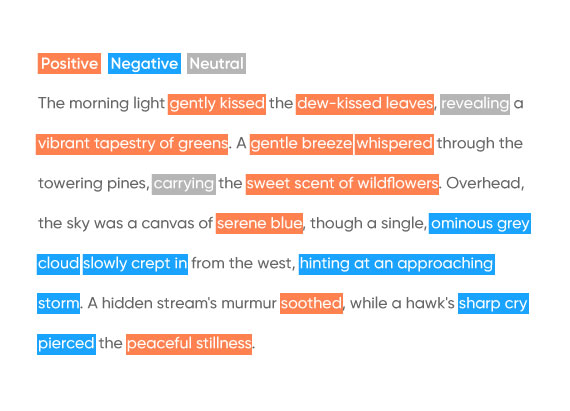
Sentiment Analysis
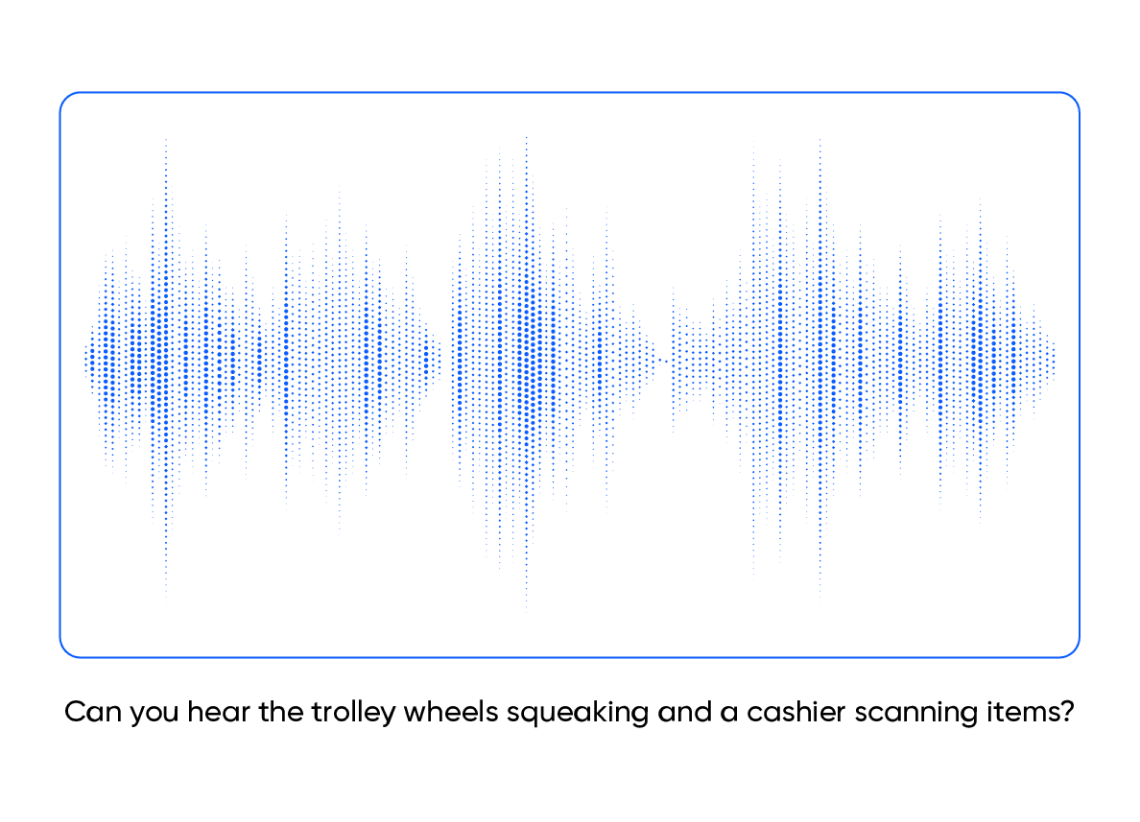
Transcription Services
Organize and structure large volumes of text by assigning predefined categories based on content and context. From spam detection and topic labeling to intent recognition, our text & document annotation service supports various applications such as document management systems, search engines, and advanced NLP workflows.
Identify and classify key elements in text such as names of people, locations, organizations, dates, and more. Our NER services are ideal for brand monitoring, legal and medical document analysis, and extracting valuable information from unstructured data.
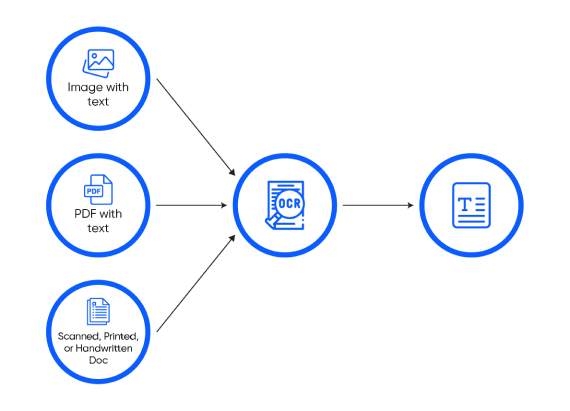
Convert scanned documents, images, and handwritten notes into machine-readable text. Our services enable easy digitization of physical documents, improving accessibility, searchability, and automation in document-heavy industries.
Understand emotions, opinions, and attitudes expressed in text. LTS GDS analyzes customer feedback, product reviews, financial news, and social media to detect positive, negative, or neutral sentiments. Our sentiment analysis also identifies specific emotions like happiness, frustration, or anger, helping businesses gain actionable insights and improve content moderation.
Transform audio and video content into accurate, readable text in multiple languages, supporting industries like legal, media, healthcare, and education for accessibility, documentation, and compliance.

Our Text & Document Annotation Services Workflow

Our structured text data annotation workflow is designed to meet the evolving needs of AI, ML and LLM teams.

Requirements Analysis
Pilot Testing & SLA
Team Assembly
Project Setup
Project Execution
triangle-arrow
Quality Assurance & Final Delivery
Requirement Analysis

At this stage, LTS GDS works closely with the client to thoroughly understand and define the project needs and business objectives. We analyze key factors such as:
-Project goals
-Annotation guidelines
-Linguistic or domain-specific requirements (e.g., legal, medical, financial documents)
-Quality benchmarks
-Timelines and expected deliverables
We also assess potential challenges such as subjective interpretation or context-based ambiguities. Based on this analysis, we provide tailored text and document annotation solutions along with expert consultation to ensure alignment with the project requirements.

Using a sample dataset, our team runs a pilot project to:
-Validate project guidelines
-Identify potential bias risks, such as cultural context or subjective content
-Assess domain-specific complexities like multilingual datasets
After the pilot is completed, we review the client’s feedback, refine the project scope if needed, and finalize the Service Level Agreement (SLA), setting clear terms for quality, turnaround time, and reporting.

Upon contract approval, we carefully assemble a dedicated text annotation outsourcing team based on:
-Project scale and complexity
-Required linguistic or domain expertise
-Timeline and workflow demands
Our team leaders conduct training sessions to ensure every annotator fully understands the client's annotation guidelines, quality expectations, and objectives. We also emphasize strategies to minimize bias and improve consistency, especially for projects involving subjective annotations like sentiment analysis or nuanced classifications.

Full-Scale Execution

We establish a communication and project management structure. Together, we build a detailed project timeline with clearly defined milestones and implement tracking tools for real-time monitoring of progress, quality, and productivity across teams.

Our text & document annotation experts kick off full-scale production following the project’s specifications. During execution, we:
-Monitor productivity and quality using defined performance indicators
-Manage risks such as data sensitivity, ambiguous cases, or shifting priorities
-Provide periodic reports
We also use continuous feedback loops during this phase to fine-tune instructions or address evolving project needs.

All annotated datasets undergo a multi-layered quality assurance process, including self-checks, cross-reviews, vertical reviews, and final inspection. Before final delivery, we perform quality validation to ensure compliance with accuracy standards. Upon completion, we collect the client's feedback through review sessions to assess satisfaction and identify areas for improvement or future collaboration.

Why LTS GDS for Your Text & Document Annotation Projects?

Outsource text annotation to LTS GDS to bring state-of-the-art applications to market on time and on budget

Quality-first Strategies​

We prioritize quality, as reflected in our 99% accuracy, prestigious awards, strict four-step review process, and DEKRA's Certificate of Conformity for Data Labeling.​

Security Standard​s​

We safeguard your data confidentiality by signing a Non-Disclosure Agreement (NDA) and enforcing stringent security measures in full compliance with ISO 27001 and GDPR standards.​

Dedicated Teams​

We assemble dedicated, multi-tier teams by blending experienced leaders with a well-trained annotation team, ensuring efficient management, scalability, and adaptability to business needs.​

Cost-Effectiveness

Take advantage of competitive labor costs, favorable tax policies, and flexible pricing models to optimize overseas IT outsourcing projects to Vietnam for meeting diverse client requirements.​

Wall of Achievement

99%

Accuracy

100M+

Data Units

11

Countries

500+

Projects

Our Case Studies

Provide custom text & document annotation solutions for AI-powered applications in diverse industries.

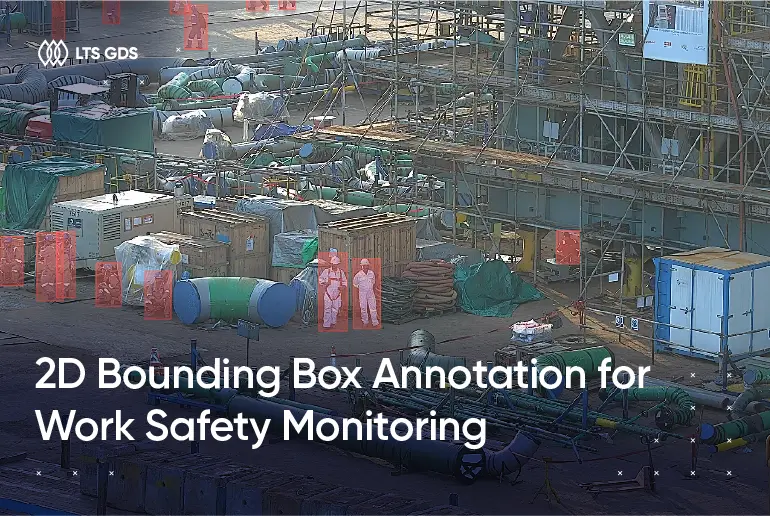
2D Bounding Box Annotation for Work Safety Monitoring
23 - 02 - 2026
Client overview Our client is a South Korea–based AI company providing intelligent solutions across multiple industries. For this project, they were building a computer vision system focused on construction site...
2D Key Points Annotation for Forklifts Lifting Pallets
23 - 02 - 2026
Client overview Our client is developing a computer vision system designed to monitor operational environments such as warehouses and manufacturing facilities. Their system focuses on detecting forklifts during active operations,...
2D Polygon Annotation for Drill Bit Marker Recognition
23 - 02 - 2026
Client overview Our client is developing a computer vision solution designed to recognize and classify drill bit markers from visual data. These markers are critical for identifying drill bit types,...
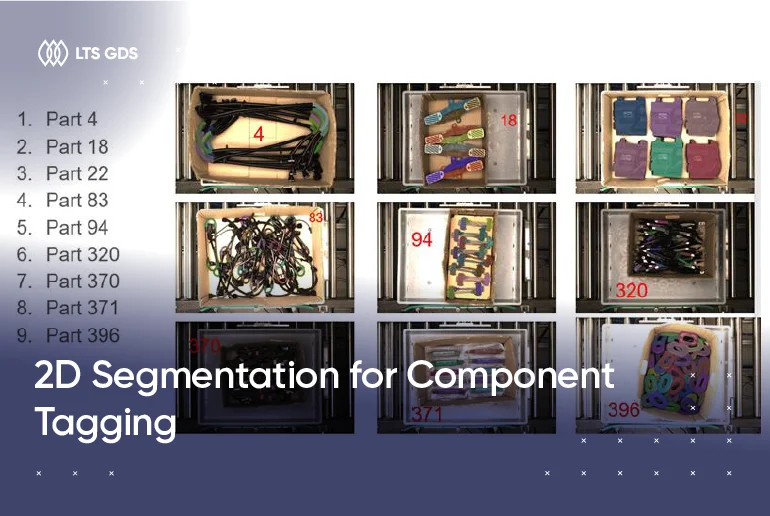
2D Segmentation for Component Tagging
23 - 02 - 2026
Client overview Our client is developing a computer vision system that requires precise identification of multiple object types within structured images. The system depends on accurate annotation to detect and...
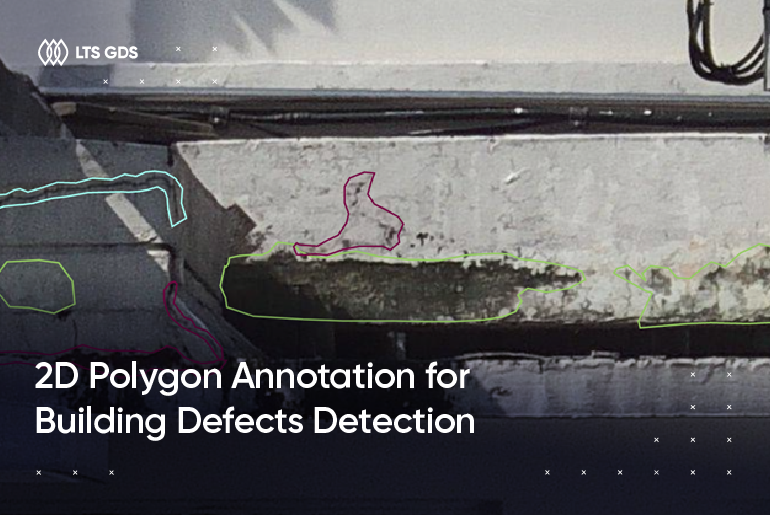
2D Polygon Annotation for Building Defects Detection
23 - 02 - 2026
Client overview Our client is a Singapore-based company developing an AI system to support building inspection and structural assessment. The goal of the project was to train a computer vision...
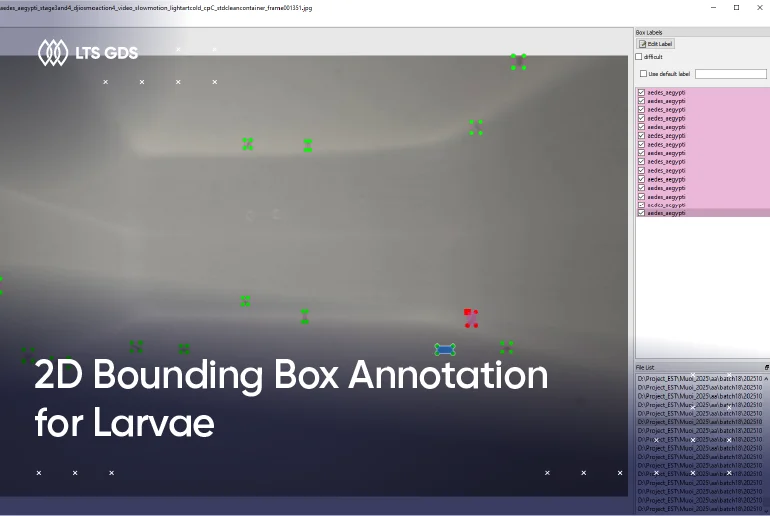
2D Bounding Box Annotation for Larvae​
12 - 01 - 2026
Client overview Our client is a university in Italy conducting a government-funded research project focused on insects, larvae, and disease transmission. The research aims to improve early detection and analysis...
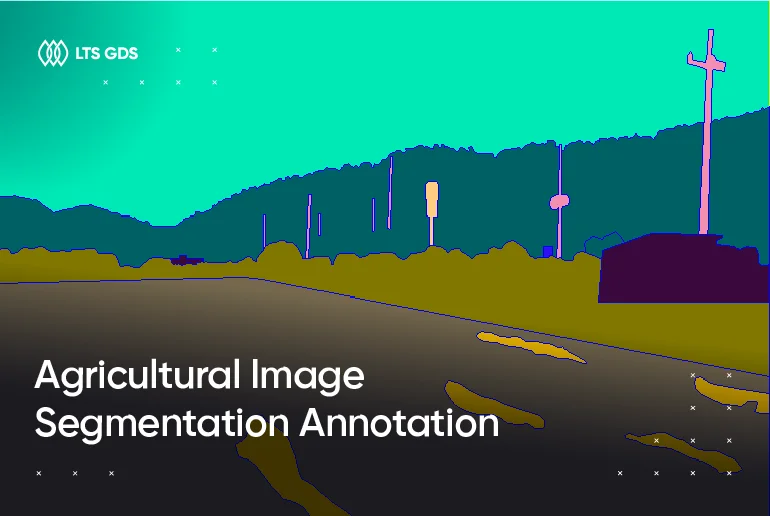
Agricultural Image Segmentation Annotation​
12 - 01 - 2026
Client overview Our client is a Korean company specializing in digital twin and LiDAR solutions for various domains. The client already had raw image data collected from agricultural environments but...
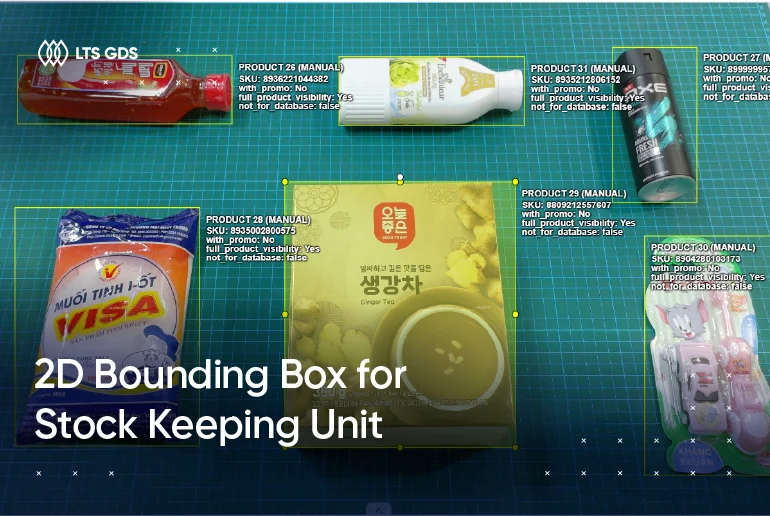
2D Bounding Box for Stock Keeping Unit​
12 - 01 - 2026
Client overview Our client is a Singapore-based company that provides data solutions for intelligent AI models. Their work supports a wide range of computer vision applications, including retail analytics and...
2D Polygon-Based Classification for False-Safe Vision Systems
12 - 01 - 2026
Client overview Our client is a leading perception software company headquartered in Korea. They are focused on advancing autonomous vehicle (AV) technology and already work with large amounts of transportation...
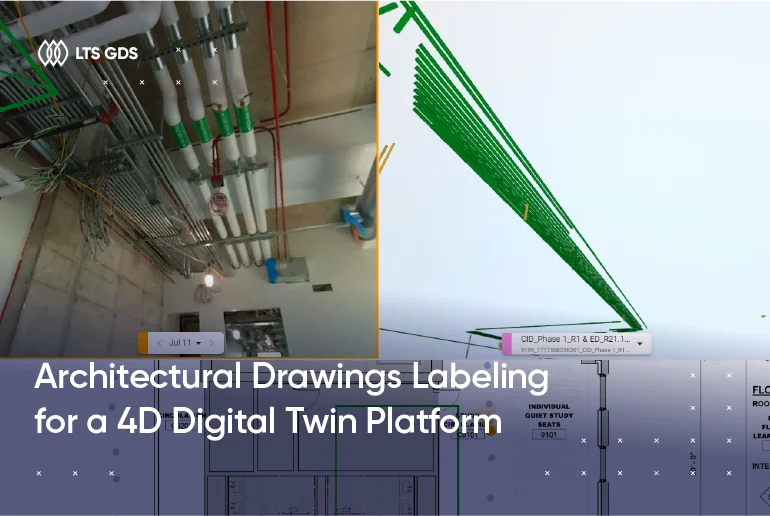
Architectural Drawings Labeling for a 4D Digital Twin Platform
11 - 12 - 2025
Client overview The construction industry is adopting digital transformation at an increasing pace. One of the most significant advancements is the use of 4D digital twin platforms, which combine design...
Segmentation Annotation for Industrial Waste Classification
11 - 12 - 2025
Client overview The client is a Japanese company specializing in industrial waste sorting, processing, and recycling. They handle large volumes of mixed waste collected from factories, construction sites, and urban...
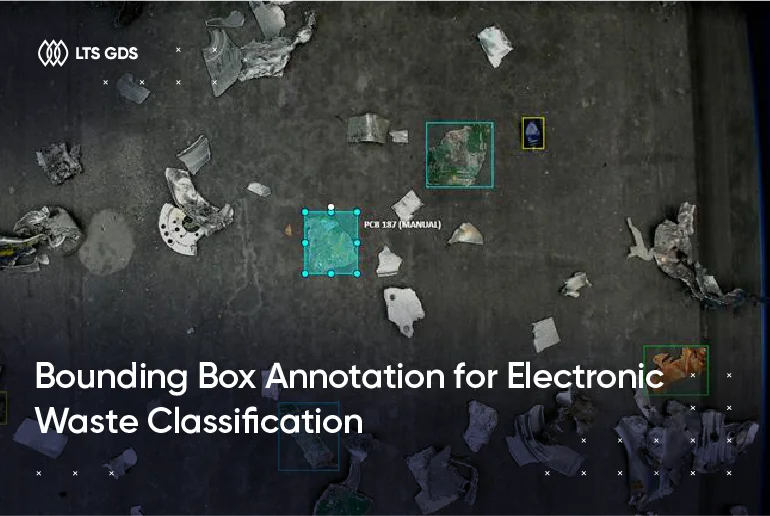
Bounding Box Annotation for Electronic Waste Classification
11 - 12 - 2025
Client overview The client is a Singapore-based manufacturer specializing in the sorting, processing, and recycling of electronic waste. Their operations focus on handling everything from microchips to power sources, with...

Our Tools and Technologies for Text & Document Annotation

Utilize advanced annotation platforms, AI-assisted tools for complex text and document annotation projects.

FAQs about Text & Document Annotation Services for ML Projects

What is text annotation and document annotation in machine learning?

Text and document annotation is the process of labeling or tagging text data with specific information to train machine learning models for tasks such as sentiment analysis, entity recognition, classification, and more.

What types of text annotation services are used in machine learning?

Key types of text annotation services include:
- Text Classification & Categorization
- Named Entity Recognition (NER)
- Optical Character Recognition (OCR)
- Sentiment Analysis
- Transcription Services

What’s the difference between text classification and named entity recognition?

Text classification assigns categories to entire documents or text segments, while named entity recognition focuses on identifying specific entities like names, dates, or locations within the text.

What file formats are accepted for text annotation projects?

Commonly LTS GDS supports TXT, CSV, JSON, XML, DOCX, and PDF, depending on the annotation tools and project needs.

Awards & Certifications

Bring Advanced AI Applications to Market with Accurately Annotated Datasets

Get in touch with our experts for your text and document annotation needs.