


Client overview
Our client is a leading perception software company headquartered in Korea. They are focused on advancing autonomous vehicle (AV) technology and already work with large amounts of transportation data collected from global sources.
Their core challenge was not in collecting data but in ensuring that massive volumes of raw data could be annotated with precision. Accurate annotation is critical for machine learning models that power AV perception systems. Without high-quality object detection data, these models would struggle to perform in real-world driving scenarios.
What the client needs
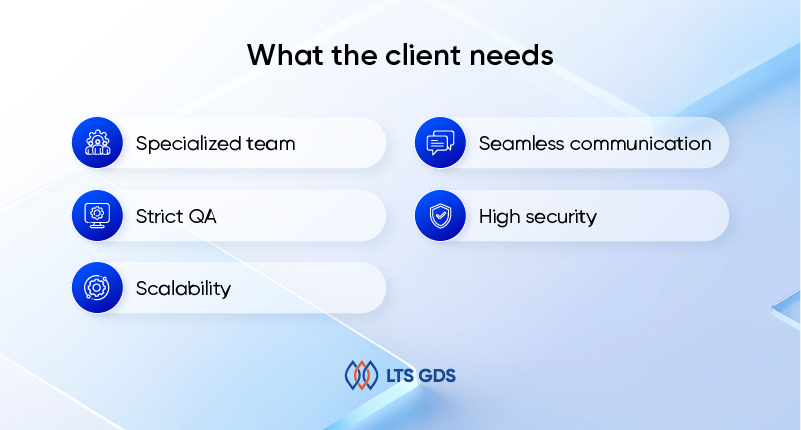
The client approached us with clear requirements:
Specialized team:
They needed a vendor to build and manage a dedicated annotation team with domain-specific expertise.
Strict QA:
The project required consistent accuracy, with all annotations closely adhering to the specified guidelines.
Scalability:
The annotation workload, involving hundreds of thousands of images, demanded a workforce that could scale seamlessly to meet project demands.
Seamless communication:
To bridge language and cultural gaps, the client wanted a team that could work under their direct guidance.
High security:
Data security was paramount; they required our team to ensure all project information remained confidential to safeguard the partnership.
How we did it
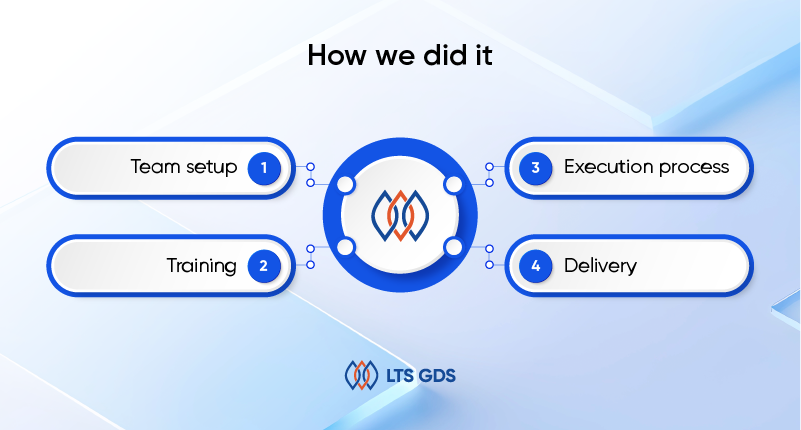
1. Team setup
We established a dedicated annotation team in Vietnam to work exclusively on this project. A Korean-speaking project manager was assigned to lead communication with the client’s team, ensuring clear coordination and fast feedback cycles.
2. Training
All annotators went through a structured training program before the execution process began. The training covered:
– Object detection in 2D and 3D.
– Annotation classes relevant to transportation systems.
– Client-specific guidelines and real use cases.
– Hands-on practice with review and feedback from QA staff.
This ensured the team was aligned with both technical requirements and the client’s expectations.
3. Execution process
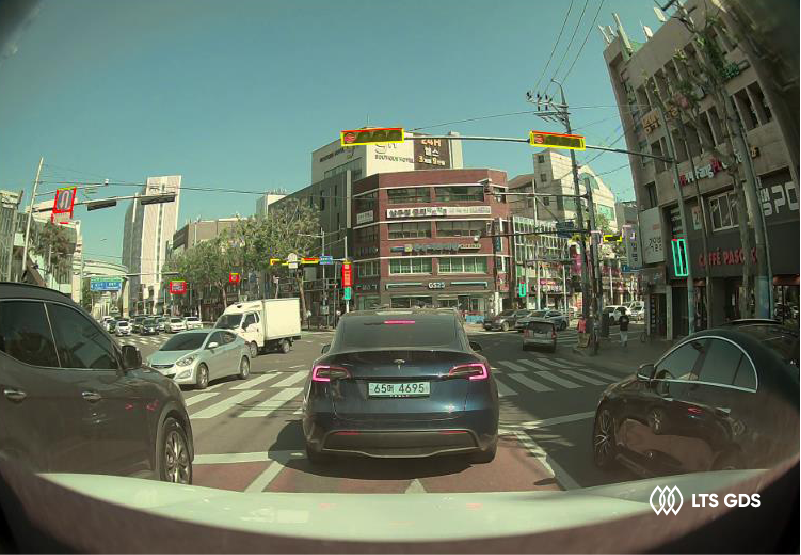
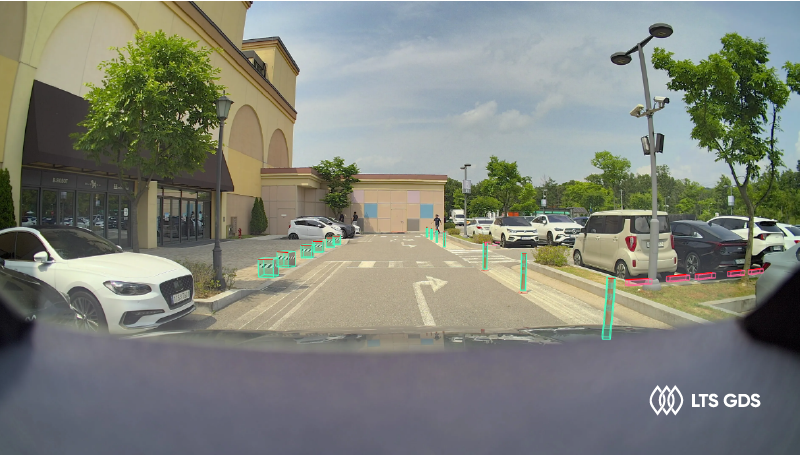
The annotation work combined both 2D bounding boxes and 3D cuboids, depending on the task. The dataset covered a wide range of categories, including:
– Object detection: Vehicles, pedestrians, animals.
– Static obstacles: Stoppers, blocking bars, and other barriers.
– Traffic signs and lights.
– Lines and road boundaries.
– Road markings: Arrows, stoplines, crosswalks, speed bumps.
– Free space / Non-free space detection.
To maintain high accuracy across all categories, we implemented a four-step QA process:
Self-check: Annotators reviewed their own completed tasks to detect errors and track rework.
Cross-review: Team members checked each other’s work to spot systematic mistakes.
Vertical review: Experienced project managers reviewed team outputs and overall dataset quality.
Final random inspection: About 30% of the data was checked against the most recent client feedback to confirm accuracy.
4. Delivery
The annotated data was delivered in batches, with regular progress reports on accuracy, throughput, and turnaround time. This transparency gave the client confidence in both the quality and pace of the project.
What the results have
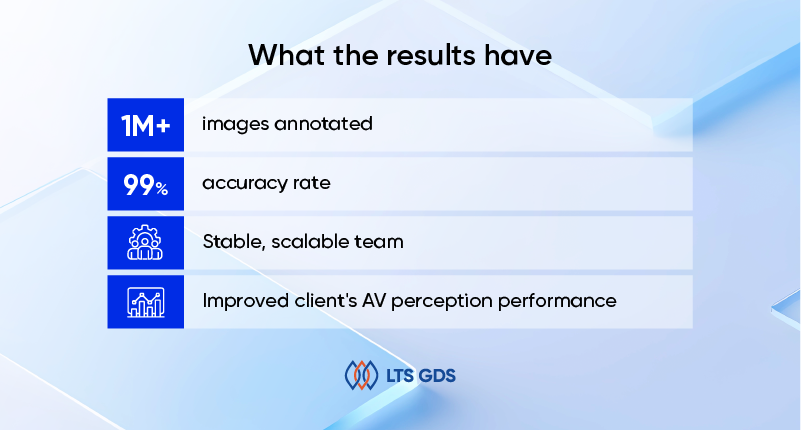
Within one year, the project delivered significant outcomes:
– 1 million+ images annotated
– 99% accuracy rate
– Stable, scalable team
– Improved the client’s AV perception performance