

Power Next-Gen Physical AI with High-Quality Training Data!
LTS GDS delivers high-precision data annotation across industries, empowering AI models to learn faster, predict smarter, and perform with greater accuracy.
Power Physical AI with Training Data!
LTS GDS delivers high-quality data for Physical AI and Robotics, enabling machines to perceive, act, and perform.
Trusted by Industry Leaders Worldwide


Our Capabilities
LTS GDS powers Physical AI and Robotics with purpose-built data pipelines.
LTS GDS delivers high-quality datasets for Vision-Language-Action (VLA) and foundation models through multi-source collection, motion capture, and robotic data pipelines.
LTS GDS empowers omnipotent models with:
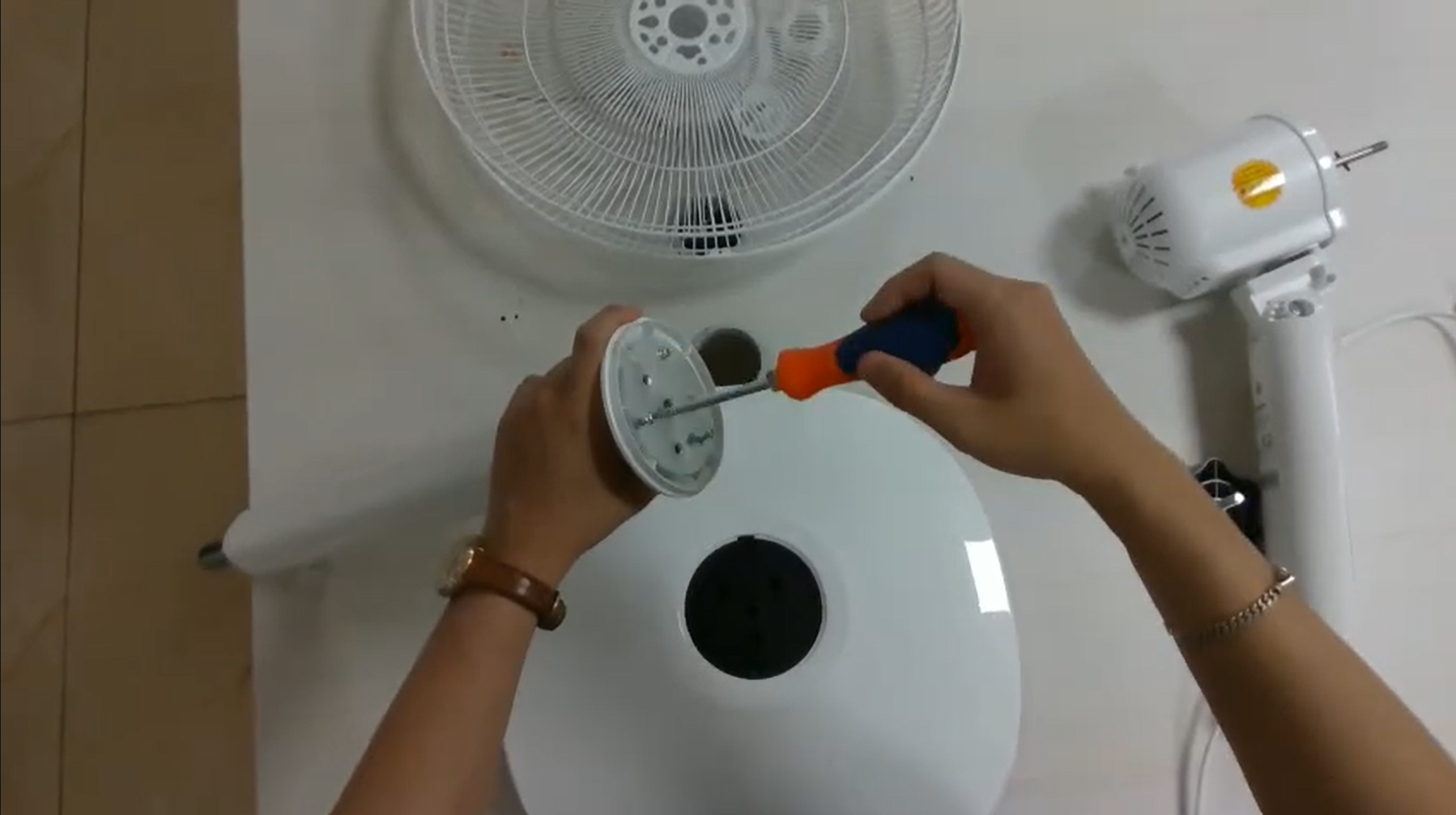
- Multimodal data collection for perception, and human-robot interaction scenarios
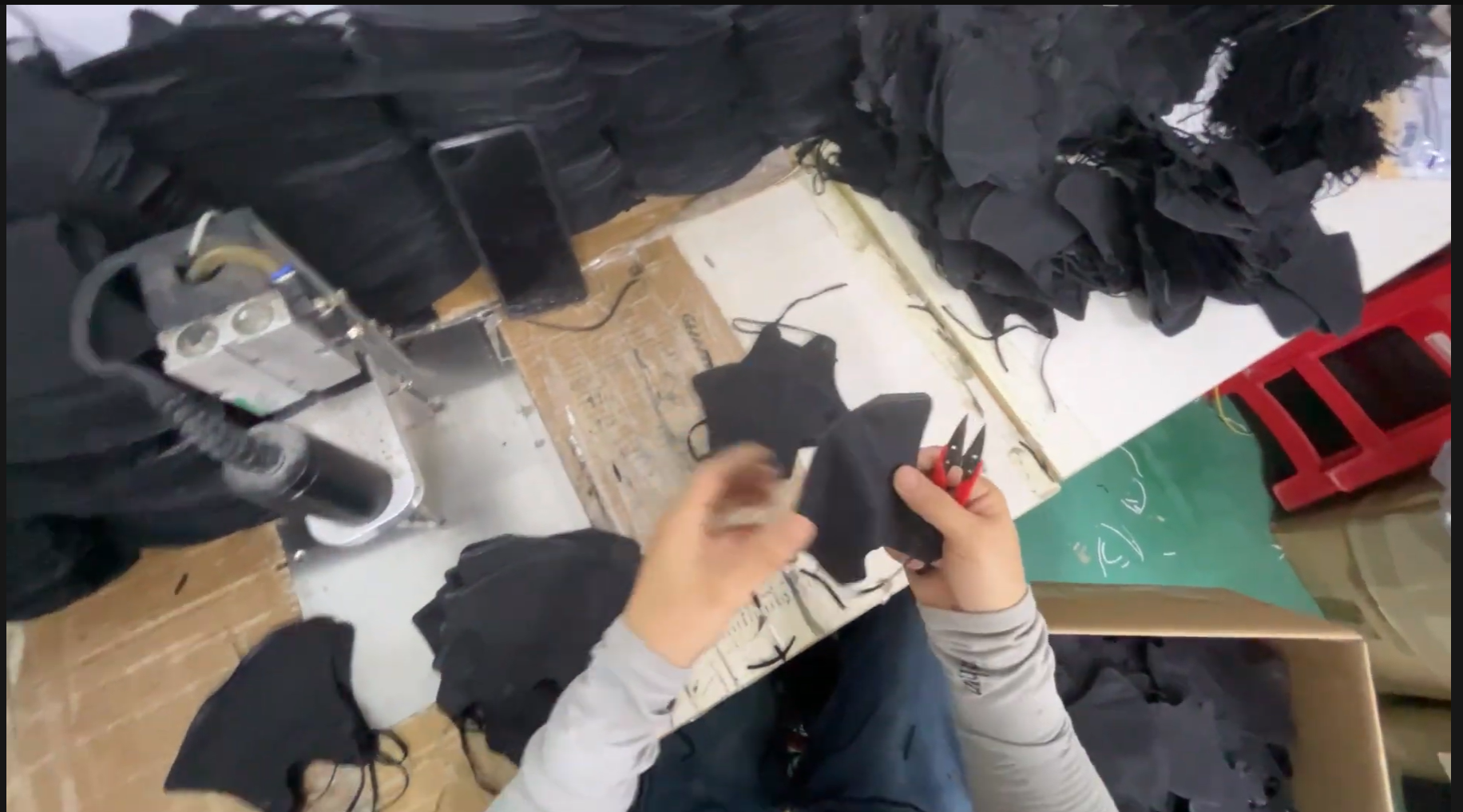
- Egocentric and conversational dataset collection
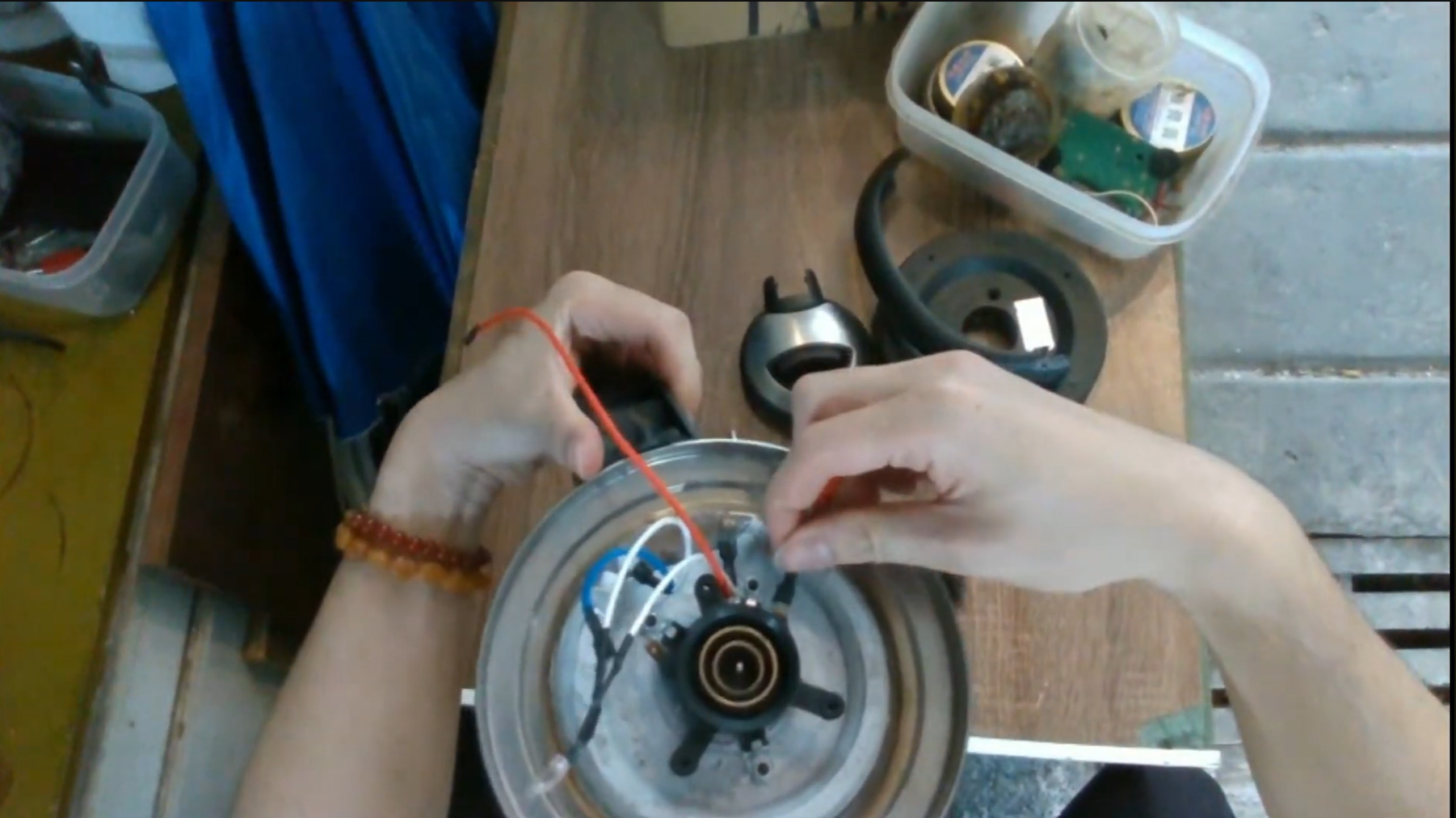
- Teleoperation, kinematic, and trajectory data collection
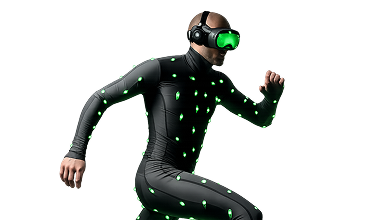
- Motion capture (MOCAP) data collection using IMU sensors, markerless tracking, and IR marker systems
- Synthetic and simulation data generation
LTS GDS ensures Physical AI datasets meet the accuracy, consistency, and reliability requirements needed for safe and scalable robotics systems.
Our vetted team covers:

- Multi-level quality assurance and human-in-the-loop validation workflows
- Temporal and sequence-level validation for motion and interaction datasets
- Edge case auditing and scenario coverage analysis
- Dataset cleaning, deduplication, and metadata validation
LTS GDS provides high-precision annotation to power perception, interaction, and decision-making in Physical AI and Robotics systems.
LTS GDS excels in:
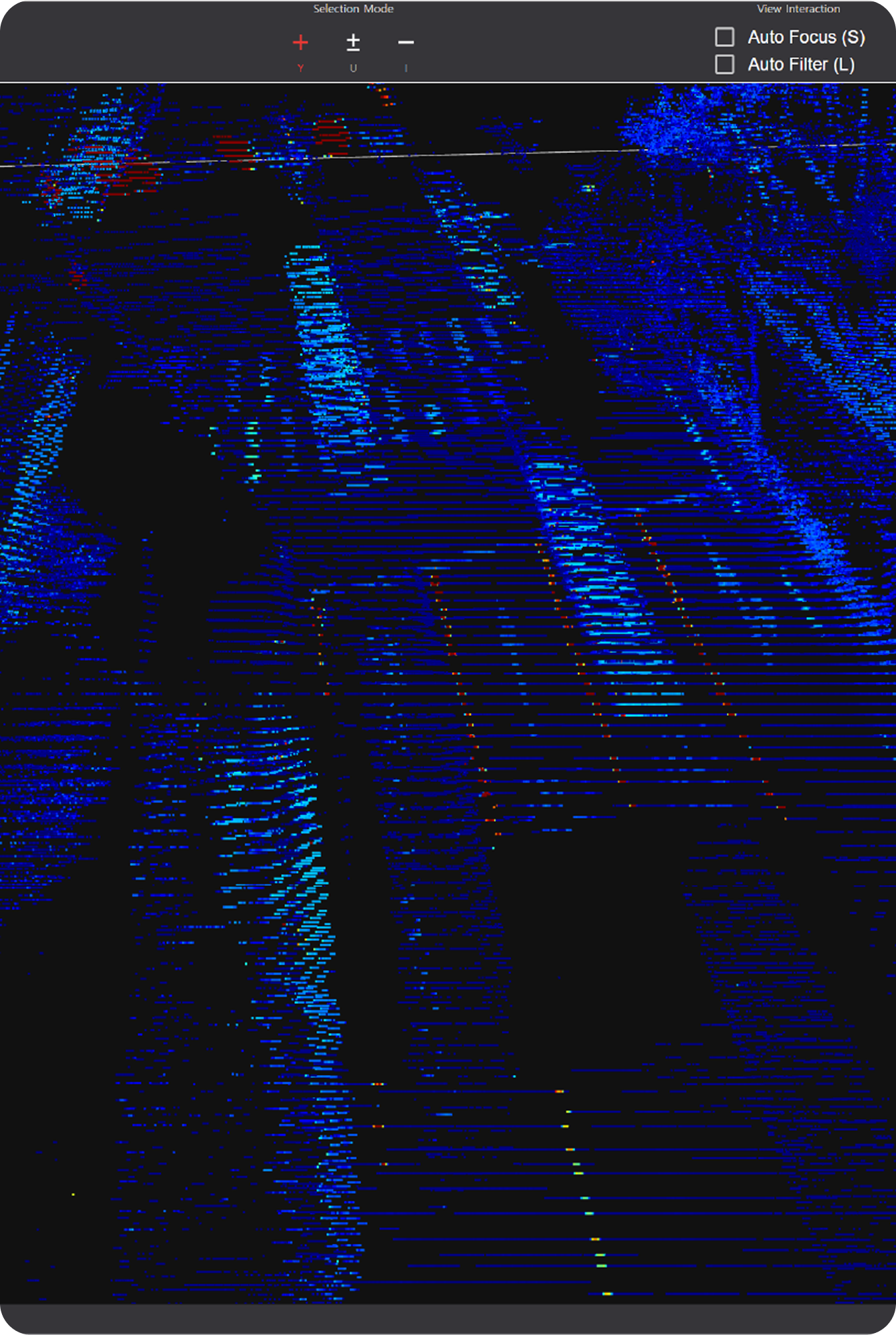
- Motion capture annotation
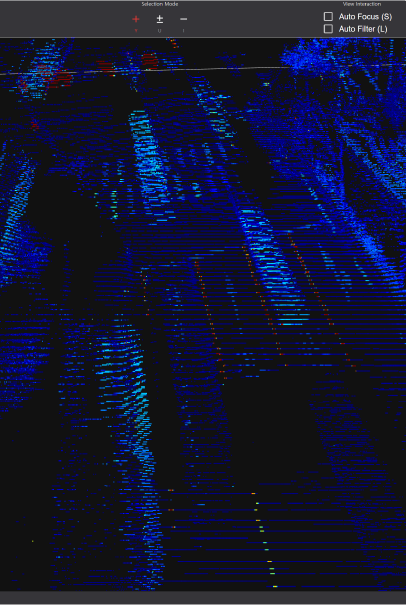
- 3D LiDAR cuboid annotation for spatial perception
- Object tracking across sequences and multi-frame environments
- Grasp point labeling and object interaction annotation for manipulation tasks
- Fine-grained hand and pose keypoint annotation for precise motion tracking
- Action segment labeling for task-level understanding
- Temporal behavior annotation for time-based interactions
Physical AI Applications We Support
Data solutions powering diverse physical AI applications across autonomous systems and robotics.
- Motion capture & pose data
- Human-object interaction data
- Egocentric & conversational data
- Grasping & manipulation data
- Action & behavior sequences
- Teleoperation data
- Defect detection data
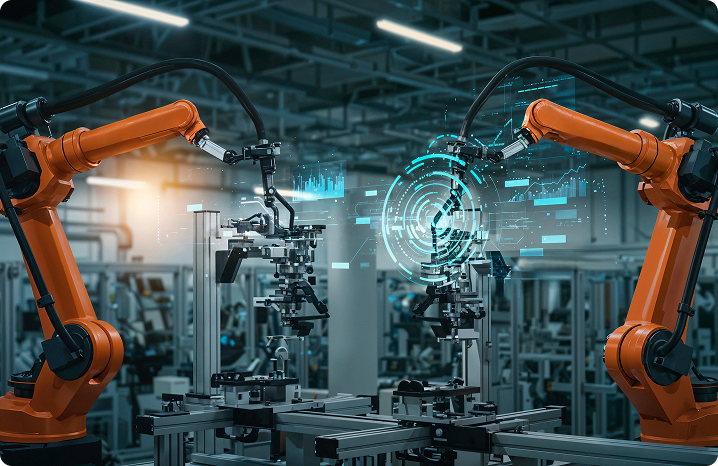
- Robotic arm interaction data
- Factory floor perception
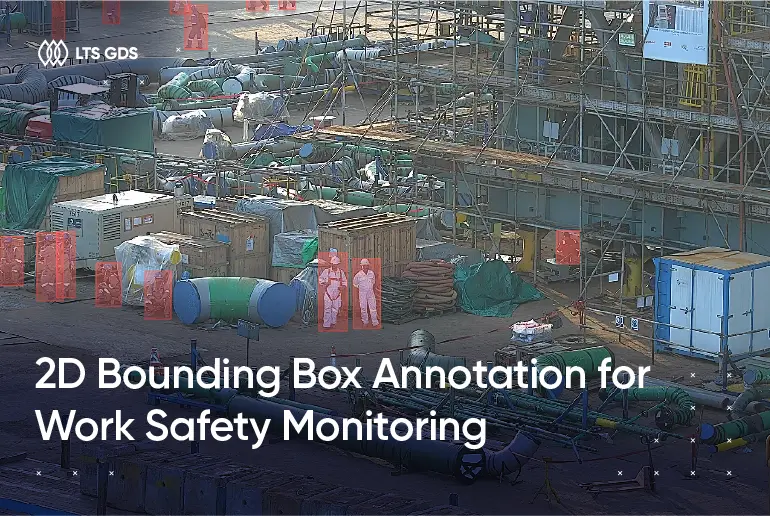
- Safety monitoring data
- Picking & sorting data
- Multi-sensor fusion (LiDAR, Radar, RGB, GPS/IMU)
- 3D perception & tracking data
- Lane, traffic sign & scene annotation
- Trajectory & navigation data
- Navigation & localization data
- SLAM & mapping data
- Obstacle avoidance data
- Warehouse perception data
- Robot control trajectories
- Human-robot interaction data
- Aerial imagery & video
- Terrain & mapping data
- Object tracking data
- Flight trajectory data
- Multi-sensor perception
- Weather & edge cases
- Surgical motion data
- Hand & instrument tracking
- Procedural action data
- Medical interaction data
- Sequential workflow data
- Precision manipulation data
- Crop & field perception
- Autonomous navigation data
- Outdoor sensor fusion
- Harvesting & grasping data
- Biological motion data
- Terrain adaptation data
Data Types for Physical AI
Core data types powering Physical AI and Robotics systems.
LiDAR Point Clouds & Radar
HD Maps

GPS/IMU

Spatial IoT Data & Geospatial Data

Multi-camera RGB Video
Multispectral & Thermal Imaging
Teleoperation & Egocentric Recordings

UMI Multimodal Data

Force & Tactile Sequences

Simulation Outputs & Multimodal Embeddings
LiDAR Point Clouds & Radar
HD Maps
GPS/IMU
Spatial IoT Data & Geospatial Data
Multi-camera RGB Video
Multispectral & Thermal Imaging
Teleoperation & Egocentric Recordings
UMI Multimodal Data
Force & Tactile Sequences
Simulation Outputs & Multimodal Embeddings
Our Data for Physical AI and Robotics Workflow
Our streamlined workflow that ensures consistent data pipelines for complex projects.
Dedicated project manager from LTS GDS conducts a comprehensive assessment to understand your business specific needs and project requirements. We analyze your dataset requirements, quality standards, timeline, and deliverable expectations. Based on this analysis, we propose tailored training data and provide expert consultation before project initiation.

Our vetted engineers kick off a pilot project using your sample dataset to demonstrate our capabilities and validate our approach. Our experts complete this small-scale test, allowing businesses to evaluate our work quality and methodology. Following delivery, our team leader collects your feedback to refine project specifications and finalize the Service Level Agreement (SLA) and contract terms.
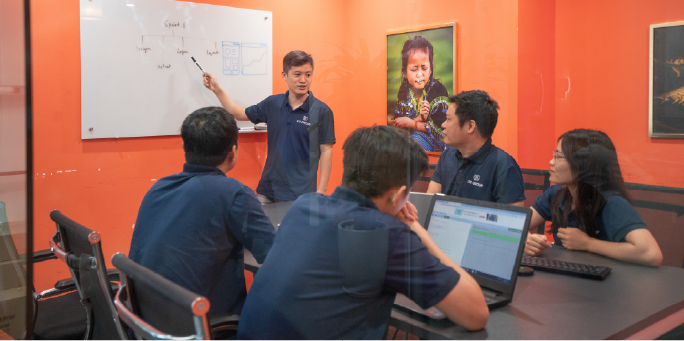
Our project manager and HR department carefully select team members based on project's timeline, scope, and specific requirements. We then conduct comprehensive training sessions led by battle-hardened team leaders to ensure all annotators understand the guidelines, quality standards, and project objectives before beginning work.

Clear communication protocols between both parties are established, including regular check-in schedules, reporting procedures, and escalation processes. Both teams are involved in creating a detailed project timeline and implementing tracking systems that will be used consistently across all delivery teams throughout the project lifecycle.
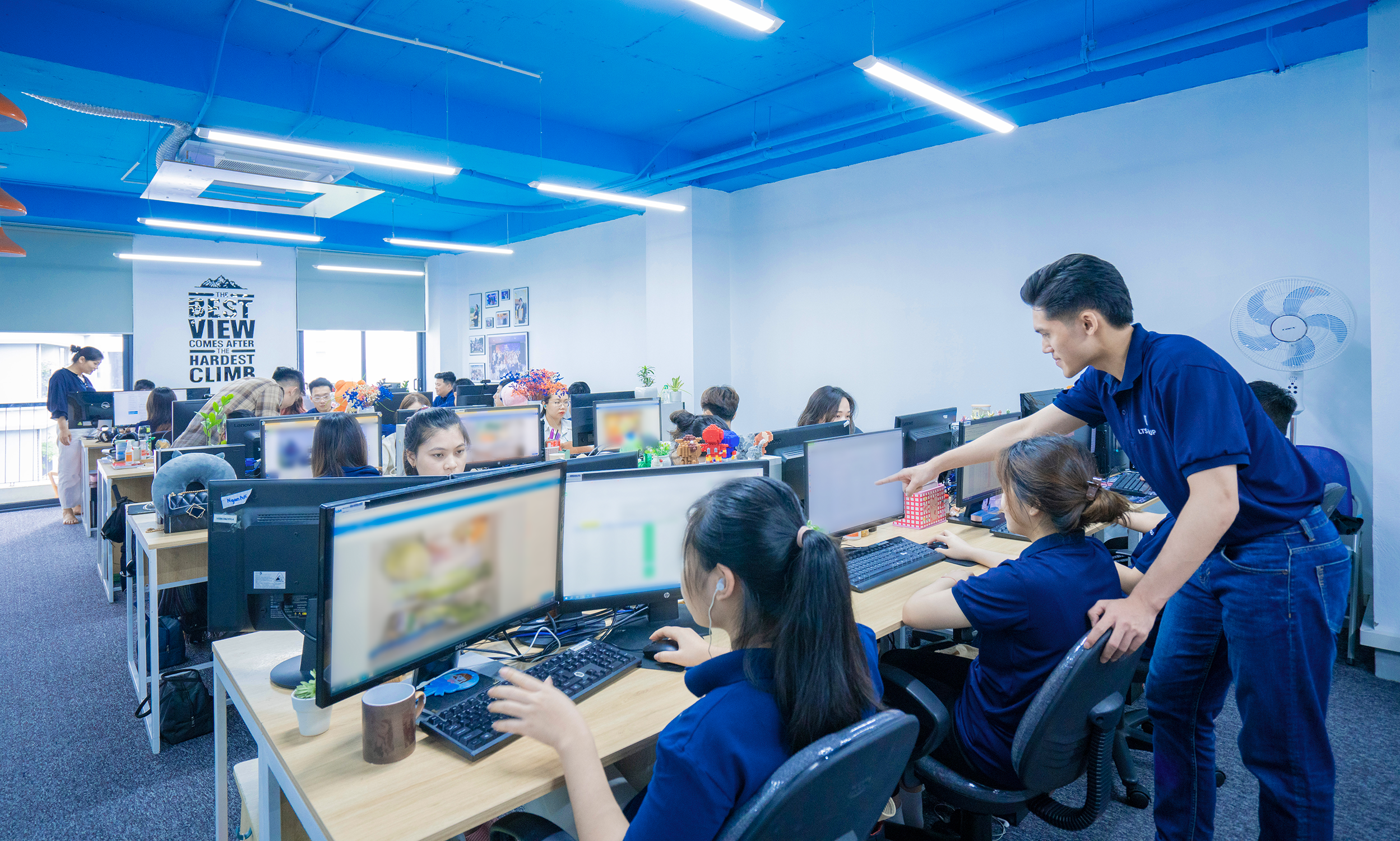
Our team executes the project according to the agreed plan while monitoring progress and key performance metrics. The dedicated project manager from LTS GDS maintains backup solutions for unexpected challenges and provides regular progress reports to keep businesses informed and enable timely adjustments when needed.

All datasets undergo strict multi-stage quality assurance processes before delivery. Upon project completion, we conduct feedback sessions to gather insights and testimonials, helping us improve our services for future projects.
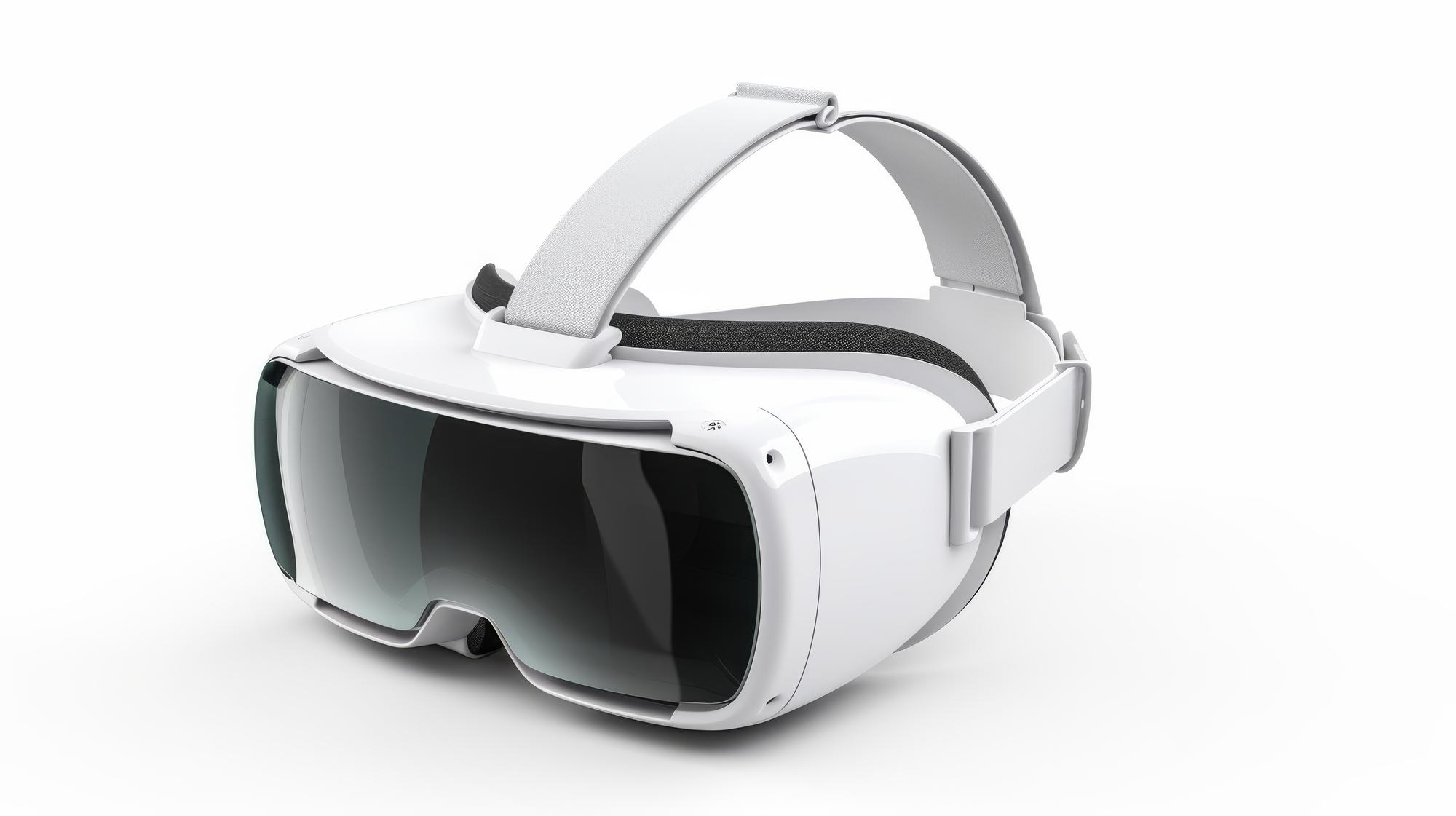
Cutting-edge Devices We Utilize
Advanced devices for multimodal embodied AI data collection.

Egocentric VR Headset

Motion Capture Suit

IR Marker & Camera

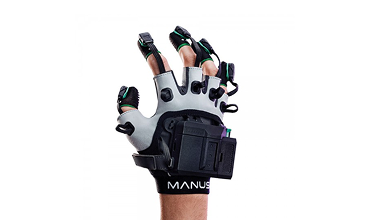
Data Glove

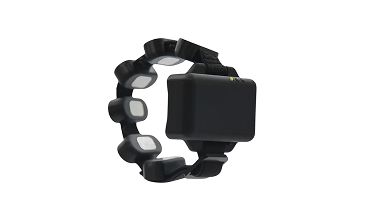
EMG Armband

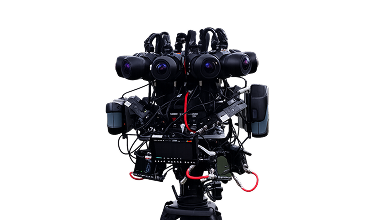
360° Camera Rig
Our Experts
Why LTS GDS for Your Data for Physical AI and Robotics Projects?
Trusted by global tech teams for skilled experts, efficient pricing, and structured workflows.
Superior Data Quality
Multi-layer QA ensures high-precision datasets across multimodal data (image, video, audio, LiDAR, and sensor fusion).
Verified Robotics Experts
Work with domain-trained specialists in robotics and autonomous systems, experienced in perception, sensor fusion, manipulation, and navigation.
Delivery Readiness
Ramp up teams quickly while tapping into advanced infrastructure and trusted partner networks to handle high-volume training data for complex Physical AI projects.
Cost-effective
Leverage Vietnam’s strong talent pool and flexible models to optimize costs for large-scale robotics data programs.

Wall of Achievement
99%
Accuracy
100M+
Data Units
11
Countries
500+
Projects
Benchmark-ready Training Data
We deliver data labeling aligned with benchmark standards to ensure your datasets are built for accurate evaluation and high-performing AI.
Benchmark-centric Pipelines
We design custom data labeling workflows tailored to the strict demands of leading industry benchmarks, including OSWorld, GAIA, SWE-bench, COCO, and MMMU.

Zero Data Contamination
Our stringent filtering protocols prevent benchmark test data from leaking into your training pipeline, protecting model integrity and evaluation validity.

Expert-in-the-loop (HITL)
We bridge the gap between training and benchmark success by leveraging subject matter experts to ensure nuanced reasoning and domain-specific accuracy for AI models.

Set a New Standard for Your Training & Evaluation Data
Run Free Pilot → Core QA Metrics for Dataset Evaluation and Benchmark Readiness
A structured QA framework to evaluate dataset quality across accuracy, knowledge, security, and safety before model training and benchmarking.
Quality
We assess dataset quality through evaluation of accuracy, completeness, and timeliness, so the dataset is reliable and ready for model training.
Knowledge
We examine data relevance, diversity, and depth, supported by experienced AI trainers with strong domain expertise and language proficiency.
Security
We enforce strict data security standards by evaluating privacy protection measures and ensuring full compliance with regulations and governance frameworks.

Safety
We identify and mitigate risks such as bias, toxicity, and hallucinations, ensuring datasets are safe, responsible, and aligned with real AI deployment standards.

We assess dataset quality through evaluation of accuracy, completeness, and timeliness, so the dataset is reliable and ready for model training.
We examine data relevance, diversity, and depth, supported by experienced AI trainers with strong domain expertise and language proficiency.
We enforce strict data security standards by evaluating privacy protection measures and ensuring full compliance with regulations and governance frameworks.
We identify and mitigate risks such as bias, toxicity, and hallucinations, ensuring datasets are safe, responsible, and aligned with real AI deployment standards.
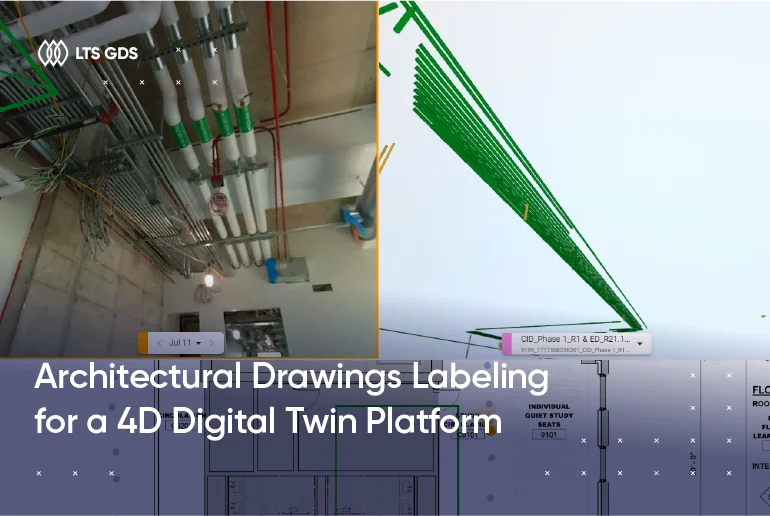
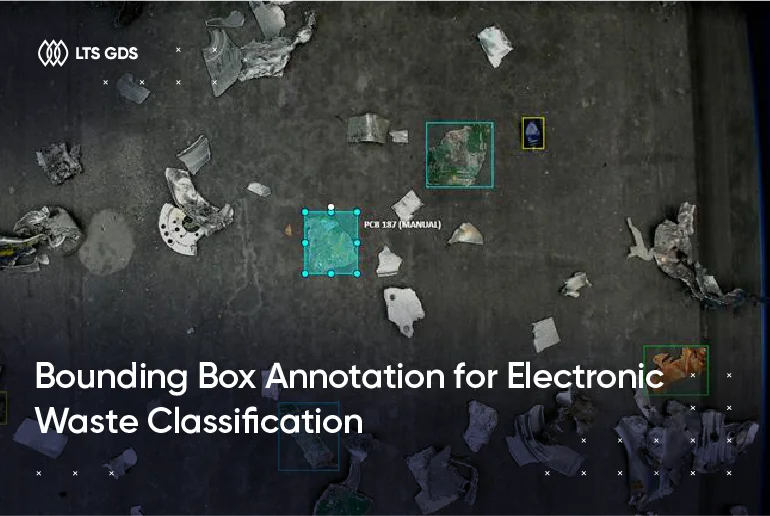
Our Case Studies
LTS GDS delivers proven data solutions for robotics, autonomous systems, and industrial AI.
Our Tools and Technologies
Powered by industry-standard tools and infrastructure for multimodal data.


FAQs about Data for Physical AI and Robotics
What are IT managed services?
Data for Physical AI and Robotics includes multimodal datasets (image, video, LiDAR, audio, sensor data) used to train systems in perception, decision-making, and action. This supports a wide range of systems such as autonomous vehicles, drones, humanoid robots, industrial robots, cobots, and Autonomous Mobile Robots (AMRs) operating in smart factory environments.
What types of data are used in Physical AI systems?
Physical AI systems rely on diverse data types, including 3D LiDAR cuboid annotation, sensor fusion data, egocentric datasets, and motion capture (MOCAP) data. These datasets often integrate inputs from sensors such as cameras, IMU (Inertial Measurement Units), and IR markers, as well as markerless tracking systems, to support Vision-Language-Action (VLA) models and vision AI agents.
Why is multimodal data important for Robotics and Embodied AI?
Robotics and embodied AI systems operate in real-world environments, requiring multimodal data to understand context, combine perception signals, and execute actions reliably through sensor fusion and real-time processing.
What is trajectory collection and teleoperation data?
Trajectory collection captures sequences of movements for navigation and control, while teleoperation records human-guided actions. These datasets often include kinematic data (joint positions, velocities) and are essential for training robots in manipulation, navigation, and real-world interaction.
What is grasp point labeling and why is it important?
Grasp point labeling identifies where and how a robot should interact with objects. It is critical for manipulation tasks in robotics, especially for industrial robots, cobots, and humanoid systems performing fine-grained interaction.
How does data support perception in Physical AI systems?
High-quality annotated data enables accurate perception, including object detection, tracking, and environment understanding. This is essential for applications like Autonomous Mobile Robots (AMRs), drones, cobots, and smart factory systems.
What is the role of motion capture in robotics data?
Motion capture (MOCAP) records human movement, including body, hand, and pose data. It can be collected using marker-based systems (e.g., IR markers) or markerless approaches, enabling robots to replicate human actions and improve interaction in embodied AI systems.
How is data used in smart factory and industrial robotics?
In smart factory environments, data supports visual inspection, workflow automation, and robotic interaction across industrial robots, cobots, and AMRs. Data factory pipelines ensure continuous data collection, annotation, and optimization.
What are Vision-Language-Action (VLA) models?
VLA models combine visual, language, and action data to enable robots to understand instructions and perform tasks. They rely on multimodal datasets, including image-text pairs, trajectory data, kinematic signals, and interaction annotations.
How does Edge AI impact Physical AI and Robotics?
Edge AI allows data processing directly on devices, enabling faster response times and real-time decision-making. This is particularly important for systems like AMRs, drones, and cobots that rely on onboard sensors such as cameras and IMUs for low-latency operation.
Awards & Certifications


Ready to Train Smarter Robotics Systems?
Let’s discuss how we can support your business. Share your details and we’ll reach out with tailored solutions.